Make the Logo does not use a typed answer bank for its logo rounds. A round shows a brand or organization, gives you movable Drawing Pieces, and scores how closely your finished arrangement matches the target. The available evidence confirms examples such as Nike, Xbox, Windows, Audi, Netflix, Nintendo, McDonald's, Gmail, Amazon, Oreo, Puma, YouTube, Pokémon, Barbie, Target, Hot Wheels, Minecraft, Cartoon Network, Roblox, Doritos, Tesla, Android, Cheetos, Instagram, and Fortnite. Treat this as a practical reference list, not a guaranteed complete or fixed order.
Which logos can appear in Make the Logo?
The table groups the documented examples by what you should look for while building them. Every listed brand is a Logo prompt that can appear during a round, while Drawing Pieces are the movable shapes used to recreate it.
| Logo prompt | Useful recognition cue | What to focus on |
|---|---|---|
| Nike | A single swoosh-like mark | Overall curve, angle, and position |
| Xbox | A familiar gaming emblem | Central placement and intersecting shapes |
| Windows | A pane-style window graphic | Panel alignment, color, and spacing |
| Audi | A car-brand ring emblem | Equal ring spacing and horizontal alignment |
| Netflix | A bold entertainment mark | The main silhouette and orientation |
| Nintendo | A rounded wordmark-style badge | Outer shape and centered arrangement |
| McDonald's | The recognizable golden-arches form | The two arches' height and balance |
| Gmail | A multicolor envelope shape | Color order and the central envelope position |
| Amazon | A wordmark with a curved underline | Text-like alignment and the lower curve |
| Oreo | A circular cookie-style mark | Round outline and interior centering |
| Puma | An animal silhouette | Head, body, direction, and proportions |
| YouTube | A play-button video mark | The inner symbol centered in the outer shape |
| Pokémon | A character-game wordmark | Shape placement; do not rely on spelling alone |
| Minecraft | A blocky game wordmark | Large pieces, scale, and horizontal layout |
| Cartoon Network | A two-part network mark | Relative placement of the separate blocks |
| Roblox | A tilted square-like game emblem | Angle, hole placement, and overall scale |
| Doritos | A layered triangular snack mark | Triangle alignment and nested shapes |
| Tesla | A stylized automotive emblem | Vertical center and the emblem's proportions |
| Android | A robot-themed mark | Symmetry, color, and near-centered placement |
| Cheetos | A snack-brand wordmark | Overall silhouette and the direction of pieces |
| Barbie, Target, Hot Wheels, Instagram, Fortnite | Recognizable brand or game marks | Compare every piece with the visible target |
The rows describe recognition cues rather than guaranteed piece counts or exact shapes. Make the Logo can show a familiar name and still require careful positioning; the documented rounds include both easy-to-recognize marks and targets that produced poor first attempts.
How the logo reference works
The important distinction is between a logo prompt and a solution code. When the prompt says Nike, for example, you do not enter “Nike” or claim a permanent answer. You assemble the visible Drawing Pieces until their outline, colors, proportions, and relationships resemble the target. The round then produces a Match Score, expressed as a percentage.
Build the logo and compare your match
This moment demonstrates dragging pieces to build the logo and comparing the finished match against the other result, which supports the round workflow described here.
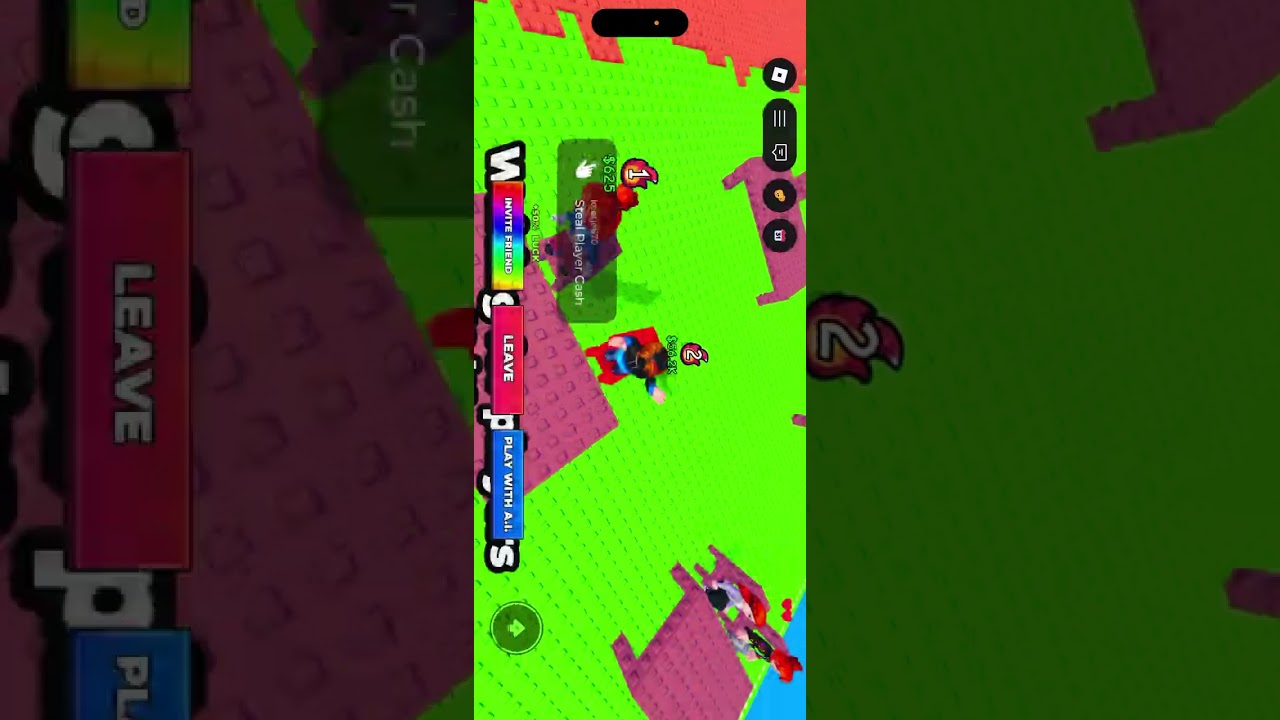
That score measures similarity, not an automatic win. A recorded Minecraft attempt reached about 99.4%, Roblox about 99.9%, Android nearly 100%, and other attempts landed around 89%, 54.7%, or even 3%. Those values show why a recognizable brand name is only the starting point: a near-perfect-looking logo can still lose if another player or AI Opponent is closer.
Use the list above as a recognition aid. Once you identify the prompt, switch your attention to the target's geometry. For a circular mark such as Oreo, check the outer boundary and center. For a multi-part mark such as Windows or Gmail, check the relationship between parts and their colors. For a silhouette such as Puma, compare the direction and proportion of the whole figure instead of placing isolated pieces by memory.
Building a stronger match
Once you recognize the target, follow the gameplay guide for the full placement, scoring, and opponent sequence.
Start with the largest or most distinctive piece. Place it near the target's center, then add smaller parts around it. This gives you a stable scale and makes it easier to see whether the remaining shapes should move up, down, left, right, or rotate. Avoid committing to a brand from memory before checking the prompt: the evidence records mistakes on Windows, Netflix, Amazon, and Puma despite those being familiar names.
Use a visual checklist before submitting:
- Outline: Does the outside edge have the same broad shape as the target?
- Scale: Are the pieces too large or too small compared with the prompt?
- Position: Is the complete mark centered in the same place?
- Direction: Are slanted, curved, or animal-shaped pieces facing the right way?
- Relationships: Do separate pieces have the same gaps, overlap, and order?
- Color: Where the target uses different colors, are the colored parts assigned correctly?
The score gives you feedback about the result, but it does not tell you which single piece is wrong. A very low score usually means the overall silhouette, scale, or selection is wrong; a high but imperfect score points you toward small spacing, alignment, or rotation changes. The exact score thresholds and any time limit are not established by the documented examples, so use the current round display rather than assuming a universal cutoff.
Logo rounds, opponents, and rewards
Make the Logo compares your finished mark with another player's or an AI Opponent's result. The closest match wins the round. Winning is associated with cash, wins, and streak progress; losing can cost Hearts. One recorded round awarded $5,000 to the winner, but rewards are mutable round values and should be read from the current in-game panel rather than treated as a permanent amount.
Some rounds also expose Round Power-Ups. The documented examples include revealing the logo, resetting an opponent, or blinding an opponent. These are optional round aids, not alternate ways to answer a logo prompt. A reveal can help when recognition is the problem, while an opponent reset or blind action affects the comparison rather than improving your own geometry. The evidence does not establish universal prices, durations, charges, or availability for each power-up, so confirm those details in the live interface.
The same principle applies to special rolls and cosmetic purchases. The recorded gameplay mentions Roll Bucks and spending cash on items such as a chair, but those systems are separate from the logo catalog. They do not turn a brand name into a redeemable code, and they do not prove that a particular logo has a fixed reward.
What is confirmed and what can change
The documented list is useful for recognition practice, but it is not presented as the complete random pool. There is no confirmed appearance probability, fixed sequence, universal piece count, or permanent time limit for each logo. A future update can also add, remove, or rebalance prompts. If a logo is unfamiliar, prioritize the visible target and the available pieces over a remembered version of the brand.
Match Scores are also session outcomes, not official quality ratings for the brands. The recorded range from about 3% to 99.9% demonstrates that small positioning errors can produce large changes. Scores can differ because the arrangement differs, and the winning decision still depends on the opponent's score. Read the current result after submission and do not assume that 99% always wins.
Finally, use the current round panel for mutable facts: the active prompt, opponent, reward, Hearts state, power-up cost, and any timer. The reference can help you recognize a target and choose what to inspect, but it cannot replace the live target image when exact placement matters.
First-time Make the Logo questions
Is the Make the Logo list of logos complete?
No. The documented examples include the brands listed here, but they do not verify a complete random pool or a fixed appearance order. Treat the list as a recognition reference and follow the active prompt in the round.
Does knowing the brand name guarantee a high Match Score?
No. Familiar targets such as Windows, Netflix, Amazon, and Puma still produced mistakes in recorded rounds. Match Score depends on the pieces' position, scale, direction, color, and relationships.
What happens if my logo score is lower than the other player's?
The closest match wins the round, so a lower score can lose even when your logo is recognizable. Losing may also cost Hearts, while winning is associated with cash, wins, and streak progress; read the current result for the exact outcome.
Should I use a Round Power-Up to solve a difficult logo?
Use one only when its current cost and effect make sense for the round. Reveal, opponent reset, and opponent blind are documented examples, but their prices, durations, and availability can vary; they are aids rather than guaranteed score improvements.